Orbiting Carbon Observatory-2OCO-2
Year: 2024 - 2026 | 2023 | 2022 | 2020-2021
We power our daily lives mainly by burning fossil fuels, and this adds greenhouse gases to the air, warming the planet. That's where trees, the ocean, and soil and grasslands come in. They reduce the amount of carbon dioxide in the air. When something takes carbon away from the air, it's called a sink. But NASA's satellites have found these sinks might be changing. Could it be that our sinks stop removing carbon from the air, and add more instead?
October 20, 2023
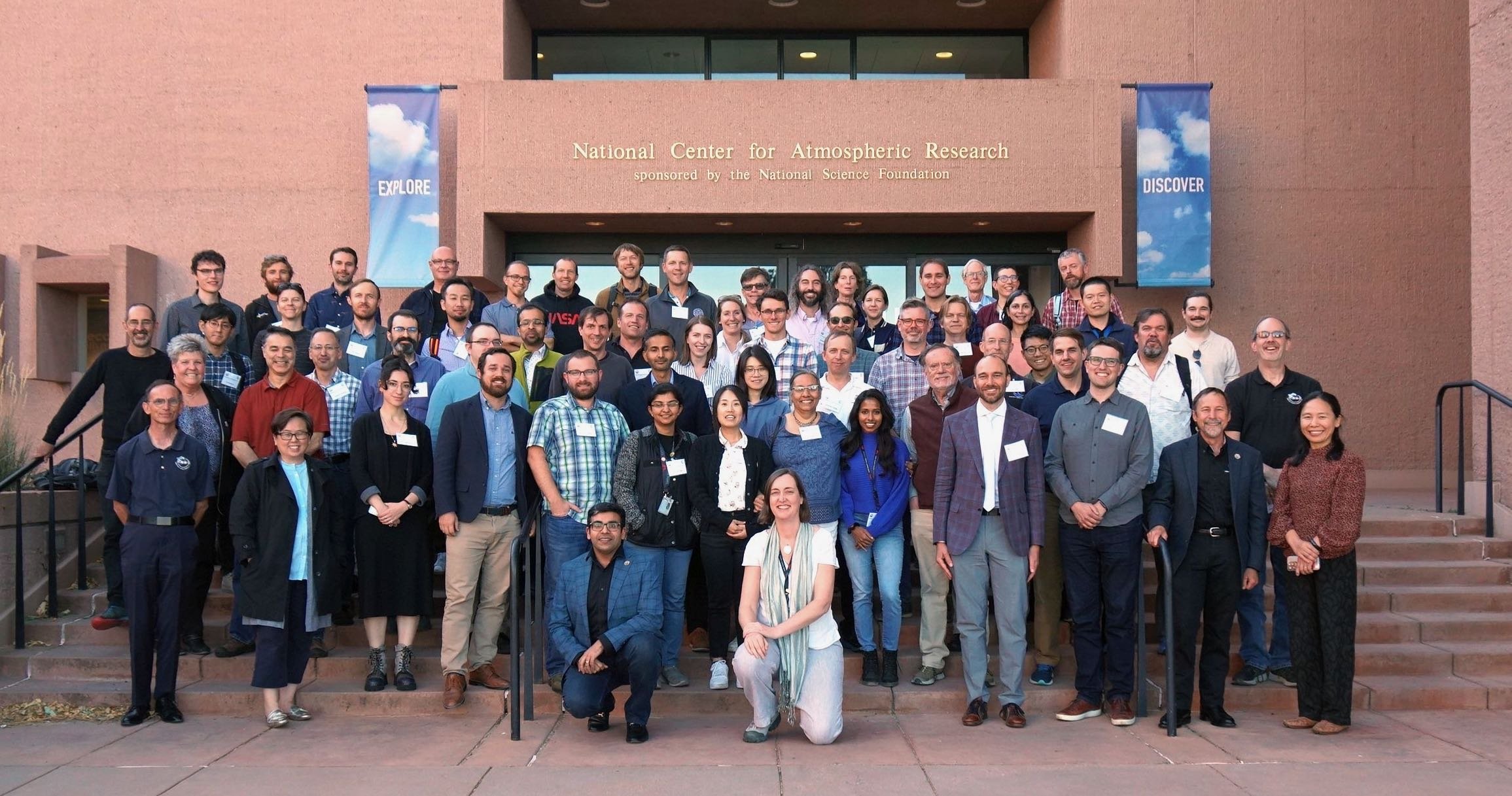
The team enjoyed a productive hybrid OCO-2/3 Science Team Meeting, in the beautiful setting of the NCAR Mesa Lab in Boulder, CO, 16th-20th October.
Many thanks to all participants, both in-person and virtual and to our gracious NCAR hosts!
July 6, 2023
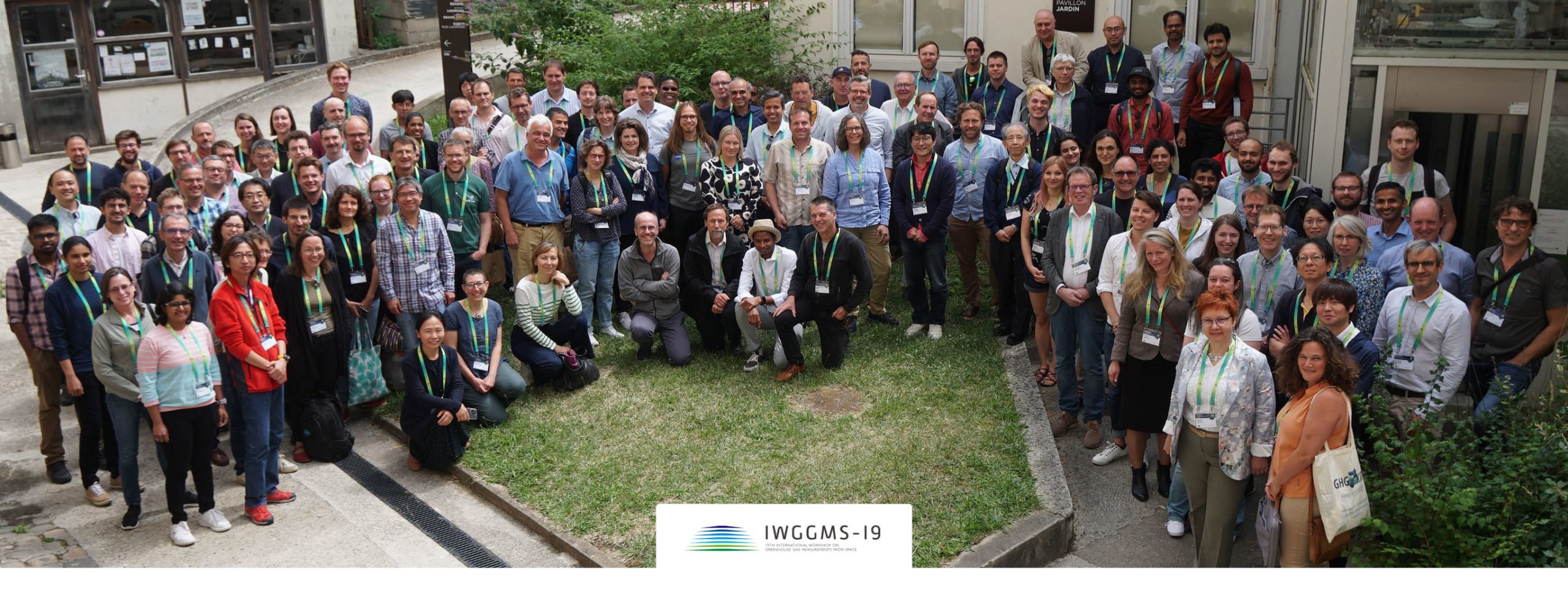
In-person IWGGMS19 meeting participants at the Ecole Normale Superieure in Paris
This week, a number of our team are participating in the 19th International Workshop on Greenhouse Gas Measurements from Space (IWGGMS) in Paris, France. The goal of the workshop is to present and discuss the state of the art in space-based remote sensing of greenhouse gases from space, notably carbon dioxide and methane, and related products.
June 15, 2023
A number of our team are participating in the annual meeting of the NDACC-IRWG / TCCON / COCCON this week in Spa, Belgium: NDACC-IRWG / TCCON / COCCON Annual Meeting
NDACC-IRWG: Network for the Detection of Atmospheric Composition Change - Infrared Working Group
NDACC-IRWG / TCCON / COCCON Annual Meeting 2023
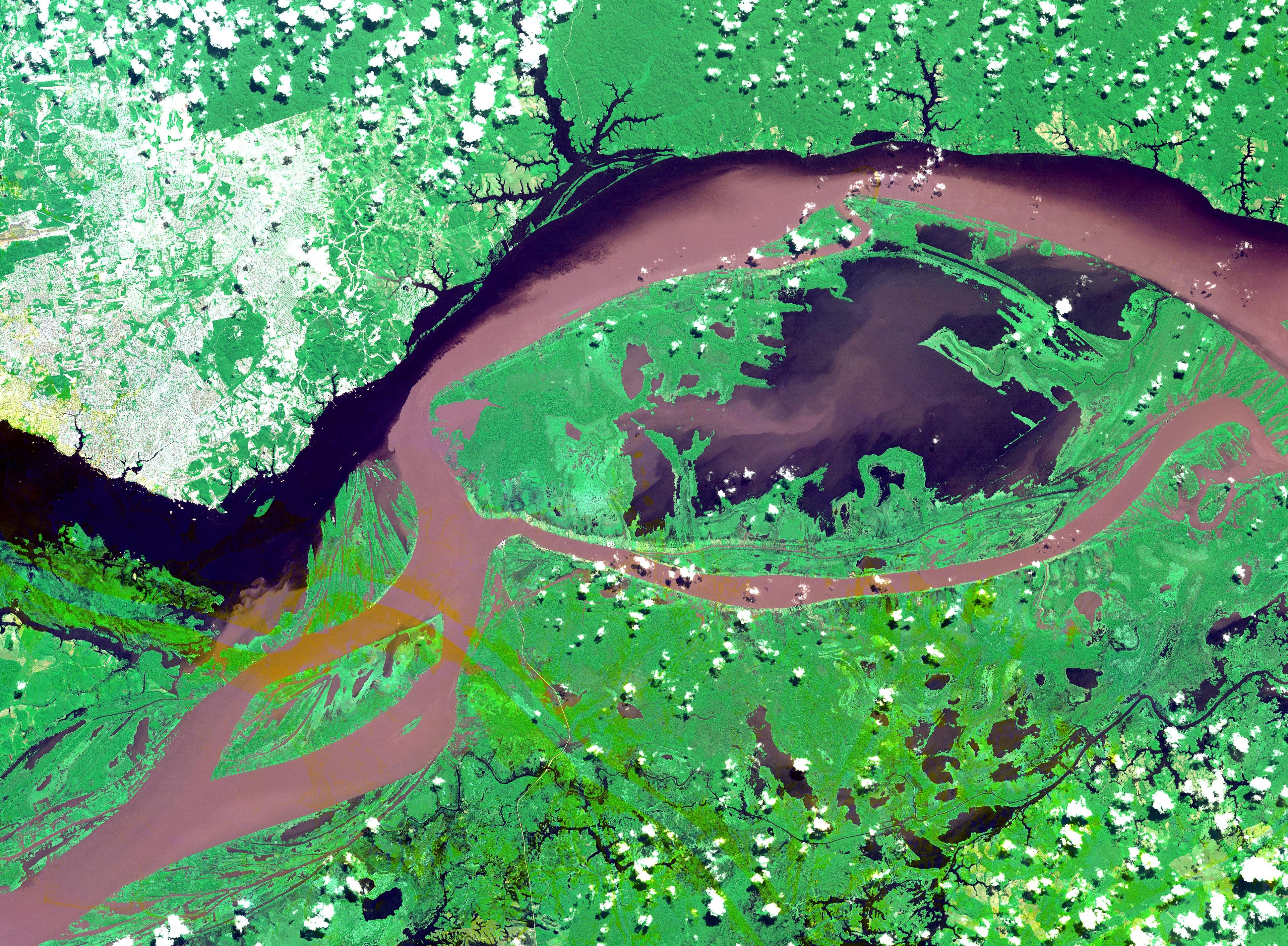
The junctions of the Amazon and the Rio Negro Rivers at Manaus, Brazil
June 1, 2023
Amazonian rainforests play an important role in the climate system by exchanging large amounts of energy, water, and carbon dioxide (CO2) with the atmosphere and acting as a major carbon stock. A new study by Zhang and co-authors uses measurements of SIF from OCO-3 and evapotranspiration from ECOSTRESS to investigate the large-scale diurnal patterns of photosynthesis and ET in the Amazon forest and their responses to atmospheric warming and drying. The results of this study shed new light on the complex interplay of climate with carbon and water fluxes in Amazonian forests and provide a path towards improved robustness of future climate projections. For full details of the study, see here: Large diurnal compensatory effects mitigate the response of Amazonian forests to atmospheric warming and drying
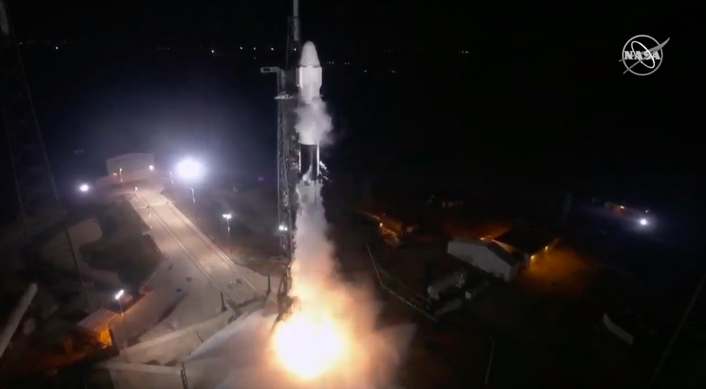
A SpaceX Falcon 9 carrying a Dragon cargo spacecraft lifts off May 4, 2019 from Cape Canaveral, Florida. Credit: NASA TV
May 18, 2023
This month marks the 4th anniversary of OCO-3 on the International Space Station! The instrument was launched on 4th May 2019 and powered on six days later, on May 10th.
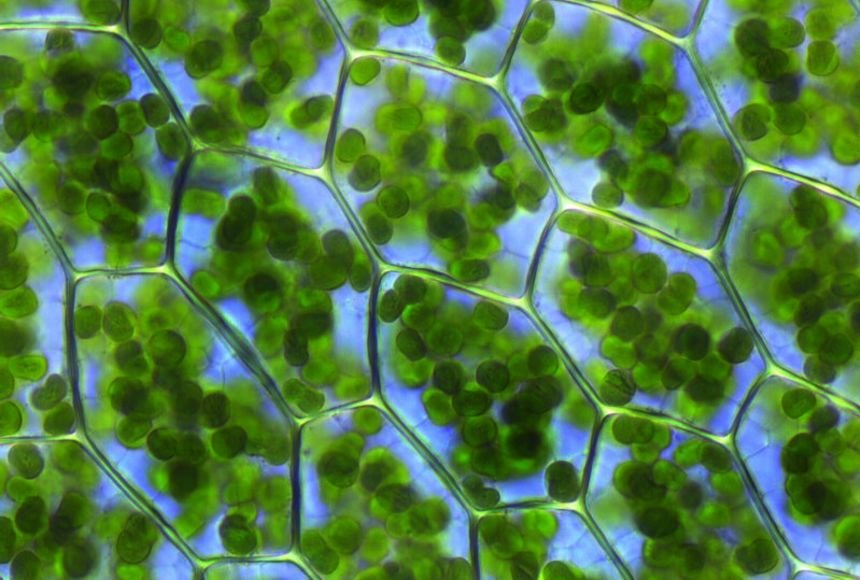
Chloroplasts in plant cells. These organelles are responsible for photosynthesis.
May 5, 2023
Zhang and co-authors have used OCO-3 SIF measurements to quantify changes in the photosynthetic uptake of carbon dioxide from plants throughout the course of the day. The global diurnal patterns reveled in this study provide new insight into the responses of photosynthesis to environmental drivers, providing a potential path towards improvements in projections of changes in the carbon cycle with changing climate.
The full article can be found here: Global modeling diurnal gross primary production from OCO-3 solar-induced chlorophyll fluorescence
April 28, 2023
OCO-2 and OCO-3 will have a booth at the Explore JPL event this weekend: https://explore.jpl.nasa.gov/
As part of that event, we will be presenting a talk on Carbon from Space on the hyperwall.
Image/Video Credit: NASA/JPL
April 20, 2023
Hakkarainen and co-authors have used OCO-3 Snapshot Area Map observations together with S5P/TROPOMI tropospheric NO2 columns to characterize a group of major anthropogenic point sources in the South African Highveld region. This study highlights the importance of having multiple transects per plume (from OCO-3 SAMs, or future wide-swath instruments) to quantify complex emission sources.
The full study can be found here: Building a bridge: characterizing major anthropogenic point sources in the South African Highveld region using OCO-3 carbon dioxide snapshot area maps and Sentinel-5P/TROPOMI nitrogen dioxide columns
March 24, 2023
Yang and co-authors have combined OCO-3 XCO2 measurements from the Snapshot Area Mapping mode with NO2 measurements from the European TROPOMI satellite instrument to enhance understanding of urban CO2 emissions. For full details of the study, please see here: Using Space-Based CO2 and NO2 Observations to Estimate Urban CO2 Emissions
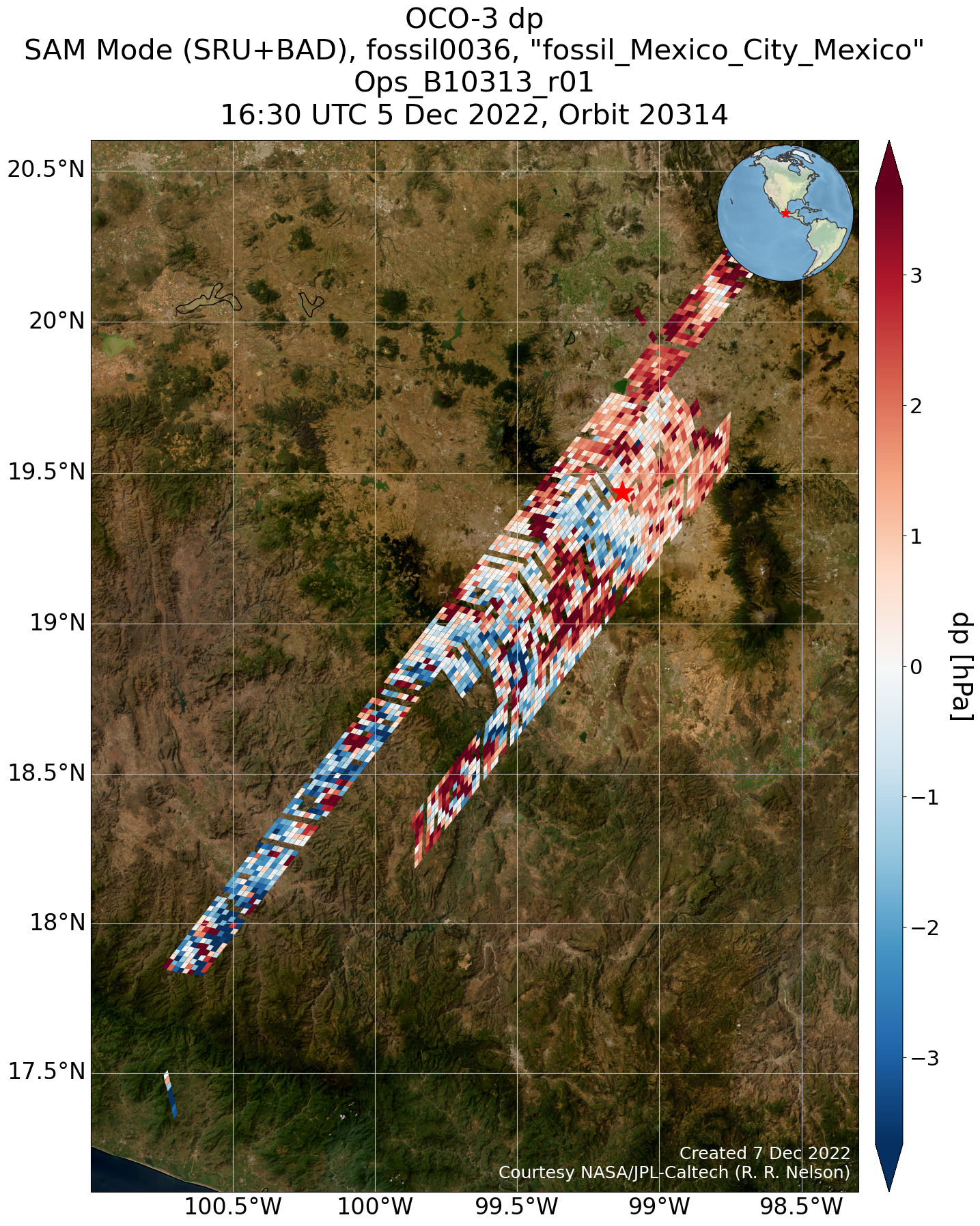
Column average carbon dioxide over Mexico City on 5th December, 2022, as observed by the OCO-3 satellite instrument
Large Image >
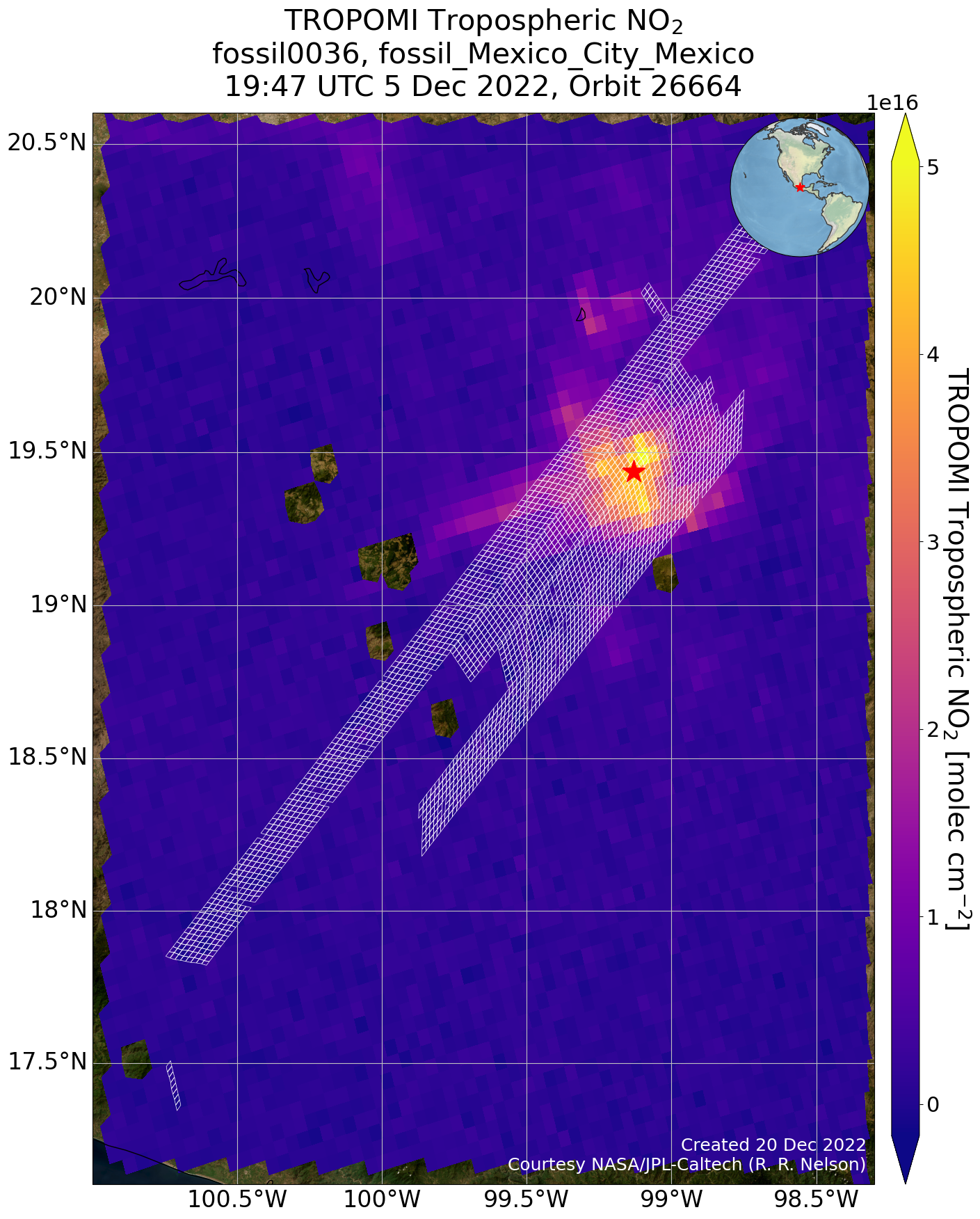
Nitrogen dioxide (NO2) in the troposphere over Mexico City on 5th December, 2022, as observed by the TROPOMI satellite instrument
Large Image >
See here for the full set of OCO-3 Snapshot Area Map observations >
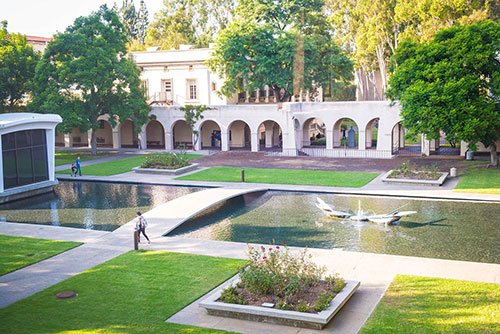
Image of the Caltech Campus
March 24, 2023
OCO-2 and OCO-3 will be holding a Science Team Meeting in Pasadena 28th - 30th March. We look forward to productive interactions and discussions with the team!
Please reach out to our Project Science Management for further info (vivienne.h.payne@jpl.nasa.gov , abhishek.chatterjee@jpl.nasa.gov , junjie.liu@jpl.nasa.gov)
February 14, 2023
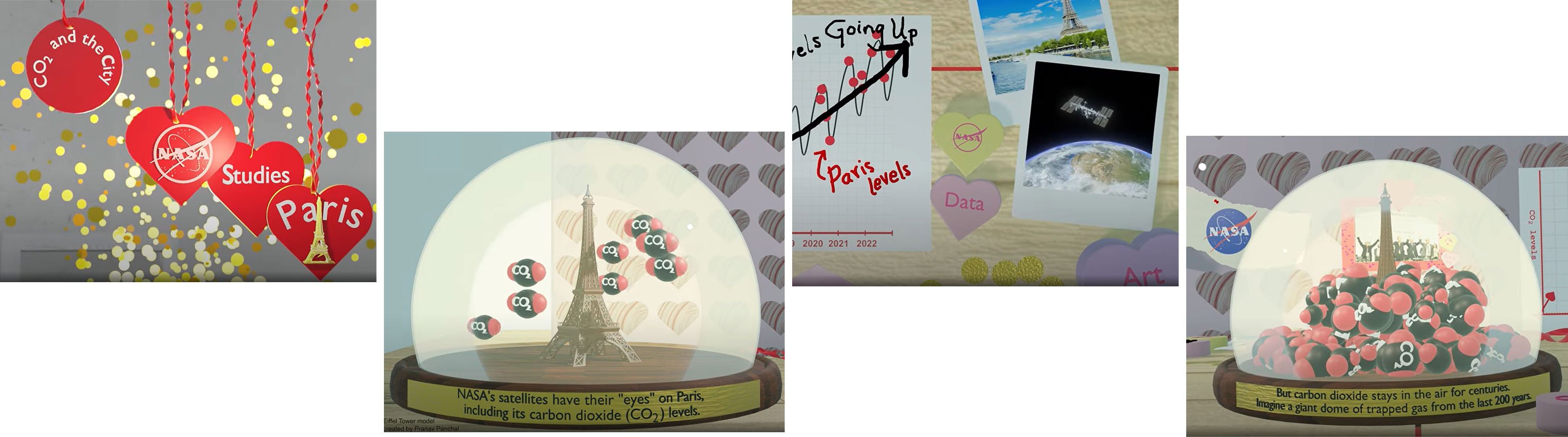
For Valentine's Day, here is a look at CO2 levels over the "City of Love" itself, Paris.
Watch the video: CO2 and the City: Valentine's Day Edition
February 10, 2023
Zhang and co-authors have used measurements of solar induced fluorescence from OCO-3 to estimate the diurnal variation in the uptake of CO2 by plants and have validated these estimates against ground-based flux tower measurements. The resulting hourly dataset can be used to inform and improve biospheric models and their projections of changes in the carbon cycle under climate change.
For more details, please see: Global modeling diurnal gross primary production from OCO-3 solar-induced chlorophyll fluorescence