OCO-2 News Articles


Jan. 4, 2016
Melting of massive ice 'lid' resulted in huge release of carbon dioxide at the end of the ice age
A new study of how the structure of the ocean has changed since the end of the last ice age suggest that the melting of a vast 'lid' of sea ice caused the release of huge amounts of carbon dioxide into the atmosphere. >

Dec. 7, 2015
Warm nights could flood the atmosphere with carbon under climate change
A new study suggests that hotter nights may wield more influence than previously thought over the planet's atmosphere as global temperatures rise -- and could eventually lead to more carbon flooding the atmosphere. >

Nov. 12, 2015
As Earth Warms, NASA Targets 'Other Half' of Carbon, Climate Equation
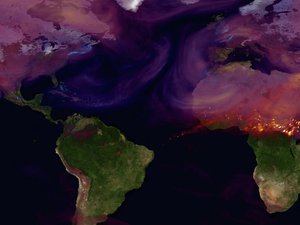
Carbon dioxide from wildfires and urban sources blankets the Northern Hemisphere. Credit: NASA/GSFC/GMAO >

Nov. 12, 2015
Seven Case Studies in Carbon and Climate
Every part of the mosaic of Earth's surface -- ocean and land, Arctic and tropics, forest and grassland -- absorbs and releases carbon in a different way. >

Oct. 29, 2015
Excitement Grows as NASA Carbon Sleuth Begins Year Two
Scientists busy poring over more than a year of data from NASA's Orbiting Carbon Observatory-2 (OCO-2) mission are seeing patterns emerge as they seek answers to the science questions that drive the mission. >

Sept. 15, 2015
As "good" as it gets
The common adage “good things will come to those who wait” cannot ring truer than for NASA’s Orbiting Carbon Observatory-2 (OCO-2) mission and team members. A little more than a year after launch, the team is proud to make their first milestone in demonst >

Aug. 7, 2015
Great plains agricultural greenhouse gas emissions could be eliminated
Researchers from the Natural Resource Ecology Lab at Colorado State University and their partners have completed a historical analysis of greenhouse gas emissions from the U.S. Great Plains that demonstrates the potential to completely eliminate agricultu >

Aug. 6, 2015
U.S. carbon pollution from power plants hits 27-year low
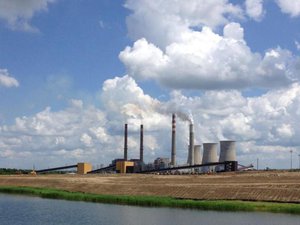
Heat-trapping pollution from U.S. power plants hit a 27-year low in April, the Department of Energy announced Wednesday. >

Aug. 5, 2015
Feds: US heat-trapping carbon dioxide pollution from power plants drops to lowest since 1988
WASHINGTON (AP) - The Energy Department says heat-trapping pollution from U.S. power plants hit a 27-year low in April. >

Aug. 5, 2015
The Point of No Return: Climate Change Nightmares Are Already Here
The worst predicted impacts of climate change are starting to happen — and much faster than climate scientists expected >

Aug. 5, 2015
River buries permafrost carbon at sea
As temperatures rise, some of the organic carbon stored in Arctic permafrost meets an unexpected fate--burial at sea. >

Aug. 3, 2015
Obama unveils rules to limit carbon dioxide emissions, curb climate change
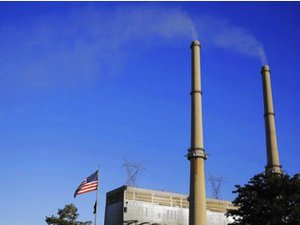
In a sweeping bid to curb heat-trapping pollution that is altering the planet's climate, President Barack Obama on Monday unveiled the first-ever limits on carbon dioxide emissions from the nation's power plants. >

July 31, 2015
Drought's lasting impact on forests
In the virtual worlds of climate modeling, forests and other vegetation are assumed to bounce back quickly from extreme drought. >

July 29, 2015
New research will boost grasp of North American carbon cycle
For centuries, people have transformed and splintered landscapes and ecosystems in North America. >

July 28, 2015
"Carbon sink" detected underneath world's deserts
The world's deserts may be storing some of the climate-changing carbon dioxide emitted by human activities, a new study suggests. Massive aquifers underneath deserts could hold more carbon than all the plants on land, according to the new research. >

July 21, 2015
Greenhouse gas emissions from African rivers
Twelve scientists from the University of Liege, the KU Leuven and the Research Institute for Development (France), have just completed a large-scale research project conducted over a five-year period on the African continent. >

July 20, 2015
Ocean acidification may cause dramatic changes to phytoplankton
Oceans have absorbed up to 30 percent of human-made carbon dioxide around the world, storing dissolved carbon for hundreds of years. >

July 9, 2015
Tropical peatland carbon losses from oil palm plantations may be underestimated
Draining tropical peatlands for oil palm plantations may result in nearly twice as much carbon loss as official estimates, according to a new study by researchers from the University of Minnesota Institute on the Environment and the Union of Concerned Sci >

May 8, 2015
Global Carbon Dioxide Levels Reach Milestone
NPR's Melissa Block speaks with Pieter Tans of the National Oceanic and Atmospheric Administration's Earth System Research Laboratory about greenhouse gas emissions surpassing 400 parts per million. >

April 15, 2015
Increased atmospheric carbon dioxide limits soil storage
Soil carbon may not be as stable as previously thought, scientists report, adding that soil microbes exert more direct control on carbon buildup than global climate models represent. >


top
Back to top